
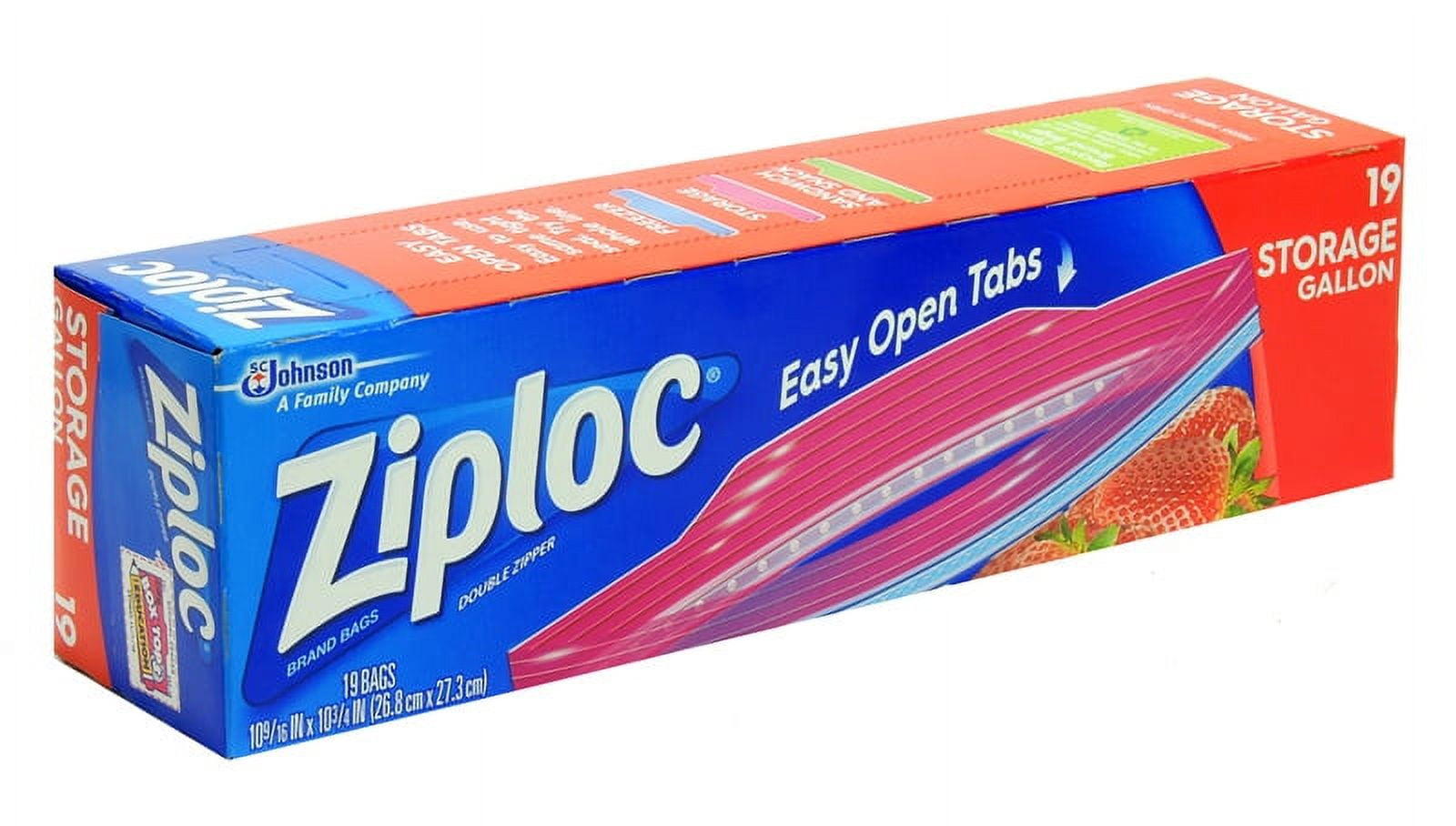
In den 1970er Jahren revolutionierte ein neues Verpackungsprodukt die Art, wie Haushalte Lebensmittel aufbewahrten. Die ziploc brand marque wurde zu einem Synonym für praktische, wiedverschließbare Plastiktüten und hat sich seitdem weltweit einen festen Platz in Küchen gesichert.
How Ziploc Compares to Other Food Storage Brands
Ziploc operates in a competitive market alongside brands like Glad, Hefty, and Reynolds. What sets the brand apart is its focus on the signature slider closure mechanism. This zip-seal technology became a defining feature that competitors have attempted to replicate over the decades. Für zusätzlichen Hintergrund erklärt Ziploc: Everyday Food Storage Bags & Containers | SC Johnson das Thema ausführlicher
Unlike generic storage bags, Ziploc products are often marketed with specific use cases in mind. Freezer bags, sandwich bags, and gallon-sized containers each serve distinct purposes. The brand has also expanded into reusable silicone bags in recent years, responding to growing consumer demand for sustainable alternatives.
Private-label alternatives from major retailers offer lower price points. However, Ziploc maintains market share through consistent product quality and brand recognition built over several decades.
| Produktlinie | Hauptverwendung |
|---|---|
| Sandwichbeutel | Lebensmittel für unterwegs |
| Gefrierbeutel | Langzeitlagerung im Eisfach |
| Gallonenbeutel | Große Mengen und Familienportionen |
| Wiederverwendbare Silikonbeutel | Nachhaltige Alternative für die Küche |
Häufige Irrtümer über Ziploc und die Realität
Ein weit verbreiteter Glaube besagt, dass alle wiedverschließbaren Beutel gleich sind. Die Qualität der Verschlussmechanismen variiert jedoch erheblich zwischen Marken und Produktlinien. Ziploc’s slider closure requires less manual dexterity than pinch-style seals found on many alternatives.
Another misconception involves microwave safety. Not all Ziploc products are designed for microwave use. The brand clearly labels which items are microwave-safe, and consumers should verify this before heating food directly in the bag.
Some also assume that plastic storage bags are inherently unsafe for food contact. Ziploc products are manufactured from materials that comply with food safety regulations in multiple countries. The brand has maintained compliance standards across its product lines for decades.
There is also confusion about recyclability. While traditional polyethylene bags are not curbside recyclable in most regions, some recycling programs accept them through designated drop-off points at retail locations.
Ziploc’s Market Presence Across Different Regions
The brand enjoys its strongest market position in North America, where it has been a household staple since the 1970s. Consumer surveys in the United States consistently rank Ziploc among the top choices for food storage products.
In European markets, the brand faces stiffer competition from local manufacturers and established regional brands. Packaging preferences also differ, with some European consumers favoring different bag sizes and closure mechanisms.
Asian markets present a different landscape altogether. Food storage habits vary significantly across the region, and Ziploc has adapted its product offerings accordingly. Smaller portion sizes and different packaging formats cater to local consumer preferences.
Latin American markets have shown growing demand for branded storage solutions as urbanization increases and more households adopt modern food preservation practices. The brand continues to expand distribution in these regions.
The Development Process Behind Ziploc Products
Creating a reliable resealable bag involves more engineering than most consumers realize. The zipper closure mechanism must balance ease of use with a secure seal that prevents air and moisture from entering. Material thickness is calibrated to provide durability without excessive rigidity.
Product development at Ziploc involves extensive testing for seal integrity under various conditions. Temperature resistance, puncture strength, and closure reliability are all evaluated before a product reaches store shelves.
The brand has also invested in sustainability research. Developing reusable alternatives and exploring bio-based materials represents a significant shift in the company’s approach to product design. These efforts reflect broader industry trends toward reducing single-use plastic consumption.
Manufacturing facilities must maintain consistent quality across millions of units produced daily. Quality control processes include automated inspection systems that detect defects in seal integrity and material uniformity.
Frequently Asked Questions
Where was Ziploc originally developed?
Ziploc was originally developed in the United States by Dow Chemical Company. The resealable bag technology was first introduced to American consumers in the mid-1970s and quickly gained popularity for its practical food storage applications.
Who currently owns the Ziploc brand?
Ziploc is currently owned by S.C. Johnson & Son, a privately held American manufacturer of household cleaning supplies. The company acquired the brand and has managed its product development and global distribution for many years.
How many different Ziploc product lines exist today?
Ziploc offers multiple product lines including sandwich bags, freezer bags, gallon storage bags, and reusable silicone bags. Each line serves different storage needs, from small snacks to large family-sized portions.
When did Ziploc first enter the consumer market?
Ziploc first entered the consumer market in the 1970s when Dow Chemical introduced the innovative resealable bag concept. The product quickly became a staple in American kitchens and has maintained its relevance for decades.
Why did Ziploc expand into reusable silicone products?
Ziploc expanded into reusable silicone products in response to growing consumer demand for sustainable alternatives to single-use plastics. Environmental concerns and changing shopping habits pushed the brand to diversify beyond traditional polyethylene bags.






Leave a Reply