
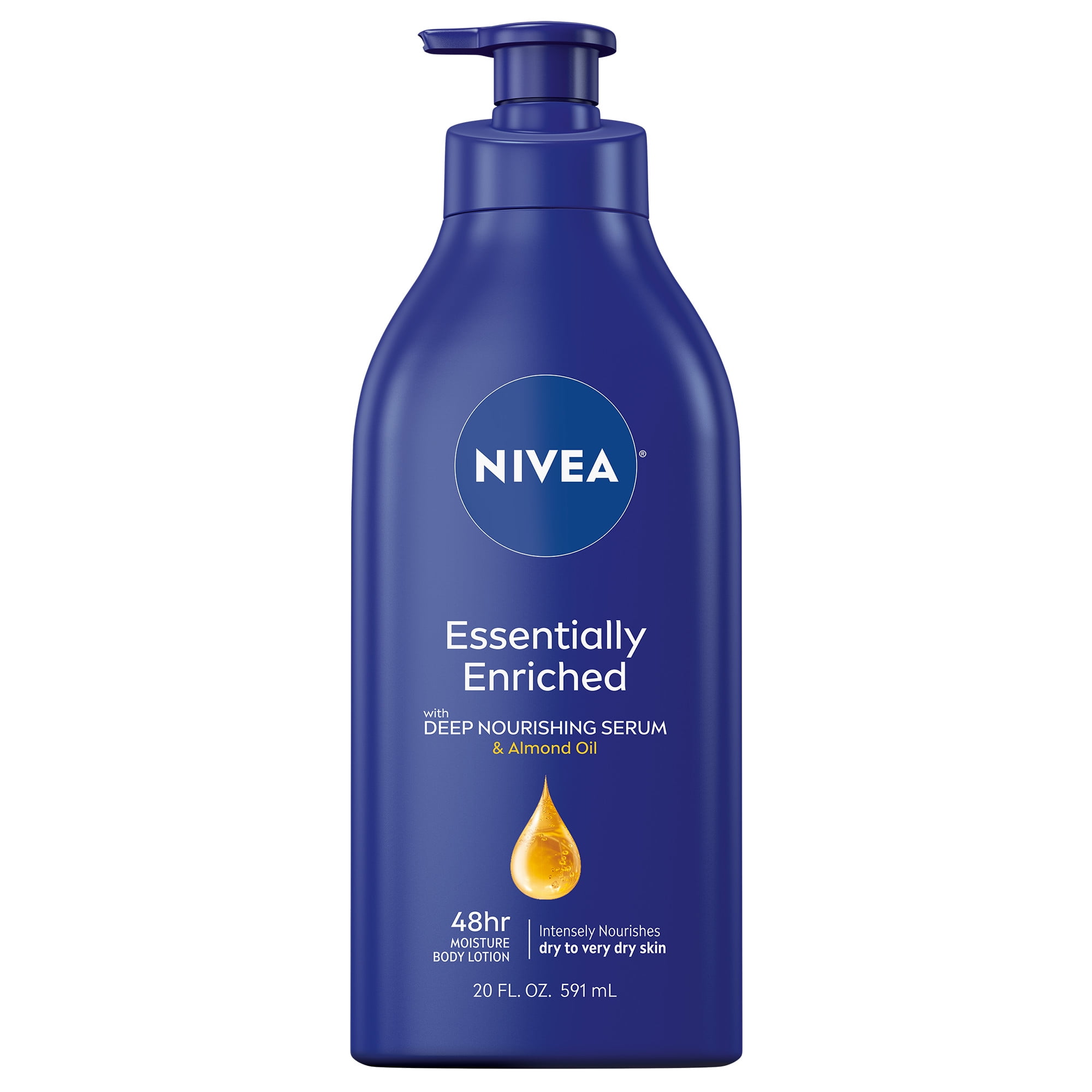
Dry, tight skin after showering is a common complaint, and the right lotion for the body can make a noticeable difference within days. Dermatologists consistently emphasize that consistent moisturizing supports the skin barrier more effectively than occasional intensive treatments. Mehr zu diesem Thema finden Sie in Welche Marke steckt dahinter – Entlarvung von Marken und Herstellern
How Body Lotion Actually Protects and Repairs Skin
Body lotions work by combining humectants, emollients, and occlusives in varying ratios. Humectants like glycerin and hyaluronic acid draw water into the upper skin layers. Emollients such as shea butter and squalene smooth the gaps between skin cells. Occlusives including petrolatum and dimethicone form a protective film that reduces transepidermal water loss. Für zusätzlichen Hintergrund erklärt Ed Gein das Thema ausführlicher
The skin barrier, also called the stratum corneum, functions similarly to a brick wall. Skin cells act as bricks while lipids between them serve as mortar. When this barrier is compromised by hot showers, harsh soaps, or cold weather, moisture escapes and irritants enter more easily. A well-formulated lotion addresses both problems simultaneously.
Research published in the International Journal of Cosmetic Science has shown that applying moisturizer within three minutes of bathing significantly improves hydration levels compared to delayed application. This narrow window allows the product to seal in water that remains on the skin surface after drying. Für zusätzlichen Hintergrund erklärt 9 Best Body Lotions of 2026, According to Our Beauty Lab Testing das Thema ausführlicher
Key Ingredients That Dermatologists Recommend
Not all lotions deliver the same results, and ingredient lists reveal more than marketing claims. Ceramides are among the most studied ingredients for barrier repair. They naturally constitute roughly 50 percent of the skin’s lipid content. Products containing ceramides NP, AP, and EOP mimic the skin’s own structure particularly well.
Urea at concentrations between 5 and 10 percent serves dual purposes. It acts as a humectant while gently loosening dead skin cells. Lactic acid offers similar benefits and is frequently recommended for keratosis pilaris, the rough bumps commonly found on upper arms. Niacinamide, a form of vitamin B3, has gained attention for reducing redness and improving elasticity over time.
Fragrance remains the leading cause of contact dermatitis in personal care products according to data from the American Academy of Dermatology. Sensitive skin formulas labeled fragrance-free avoid both synthetic fragrances and masking scents. Essential oils, while natural, can be equally irritating for reactive skin types.
How to Choose the Right Formula for Your Skin Type
Oily skin still needs hydration, but lightweight lotions with water-based formulations prevent clogged pores. Gel-cream hybrids absorb quickly without leaving residue. Dry skin benefits from richer textures containing oils like jojoba, argan, or squalane. These plant-derived oils closely resemble human sebum and integrate well into the skin’s lipid matrix.
Mature skin often produces less natural oil and loses elasticity. Formulas combining peptides with moisturizing agents address both concerns. Products designed for specific conditions like eczema or psoriasis typically contain colloidal oatmeal, which has been recognized by the FDA as a skin protectant since 2003.
Texture preference is personal, but absorption rate matters functionally. A lotion that takes minutes to absorb may feel inconvenient during morning routines. Fast-absorbing options often use lighter emollients and fewer occlusives. Nighttime applications can afford richer formulas since transfer to clothing is not a concern.
Common Mistakes That Reduce Moisturizer Effectiveness
Applying lotion to dry skin rather than damp skin is one of the most frequent errors. Water on the skin surface gives humectants something to bind to immediately. Without that moisture source, some ingredients may actually draw water from deeper skin layers outward, potentially worsening dryness over time.
Using the same product year-round ignores seasonal changes in skin needs. Winter air holds less humidity, and indoor heating further reduces moisture levels. A formula that feels adequate in July may prove insufficient by January. Adjusting product weight with the seasons is a practical strategy supported by dermatological guidance.
Exfoliation frequency also affects lotion performance. Over-exfoliating strips the barrier that moisturizers aim to protect. Gentle chemical exfoliation once or twice weekly suffices for most skin types. Physical scrubs with uneven particles can cause micro-tears that compromise the skin’s defense against bacteria and pollutants.
Frequently Asked Questions
How often should I apply lotion for the body?
Most dermatologists recommend applying body lotion at least once daily, ideally right after bathing while the skin is still slightly damp. People with very dry skin or conditions like eczema may benefit from twice-daily application. Consistency matters more than product price for maintaining healthy hydration levels.
Can body lotion be used on the face?
Body lotions are generally not recommended for facial skin. The face has thinner skin and more active sebaceous glands than the body. Body formulas may contain heavier oils or fragrances that clog facial pores or cause irritation. Facial moisturizers are specifically tested for the delicate skin around the eyes and mouth.
What is the difference between lotion, cream, and butter?
The main difference lies in water content and texture. Lotions contain the most water and feel lightest on the skin. Creams have a balanced water-to-oil ratio and suit normal to dry skin. Body butters contain minimal water and maximum oil content, making them ideal for very dry areas like elbows, knees, and heels.
Does expensive lotion work better than affordable options?
Price does not reliably predict effectiveness. Many affordable lotions contain the same active ingredients as premium brands. What matters most is the concentration of proven ingredients like ceramides, glycerin, and urea. Reading the ingredient list provides more useful information than comparing price tags alone.
Should I avoid lotions with alcohol in them?
Not all alcohols are the same. Fatty alcohols like cetyl alcohol and stearyl alcohol are emollients that actually soften skin. Denatured alcohol and isopropyl alcohol can be drying in high concentrations. Checking where alcohol appears on the ingredient list helps determine whether the amount is significant enough to cause concern.






Leave a Reply